
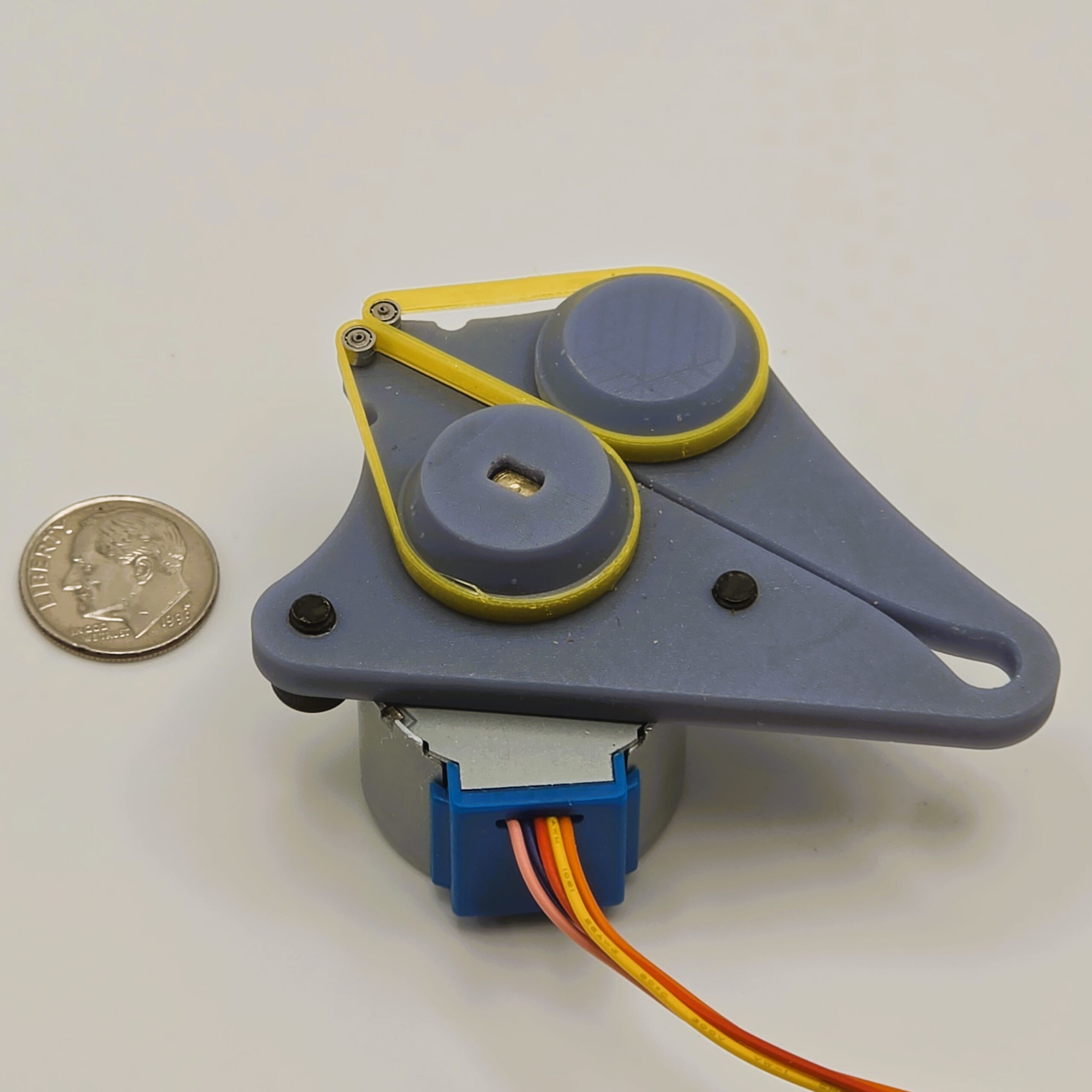
A purpose-built assembly integrating commercially available hardware, custom 3D-printed geometry and machined parts purpose built in hours, not days or weeks.
 dustin.burd
Scale
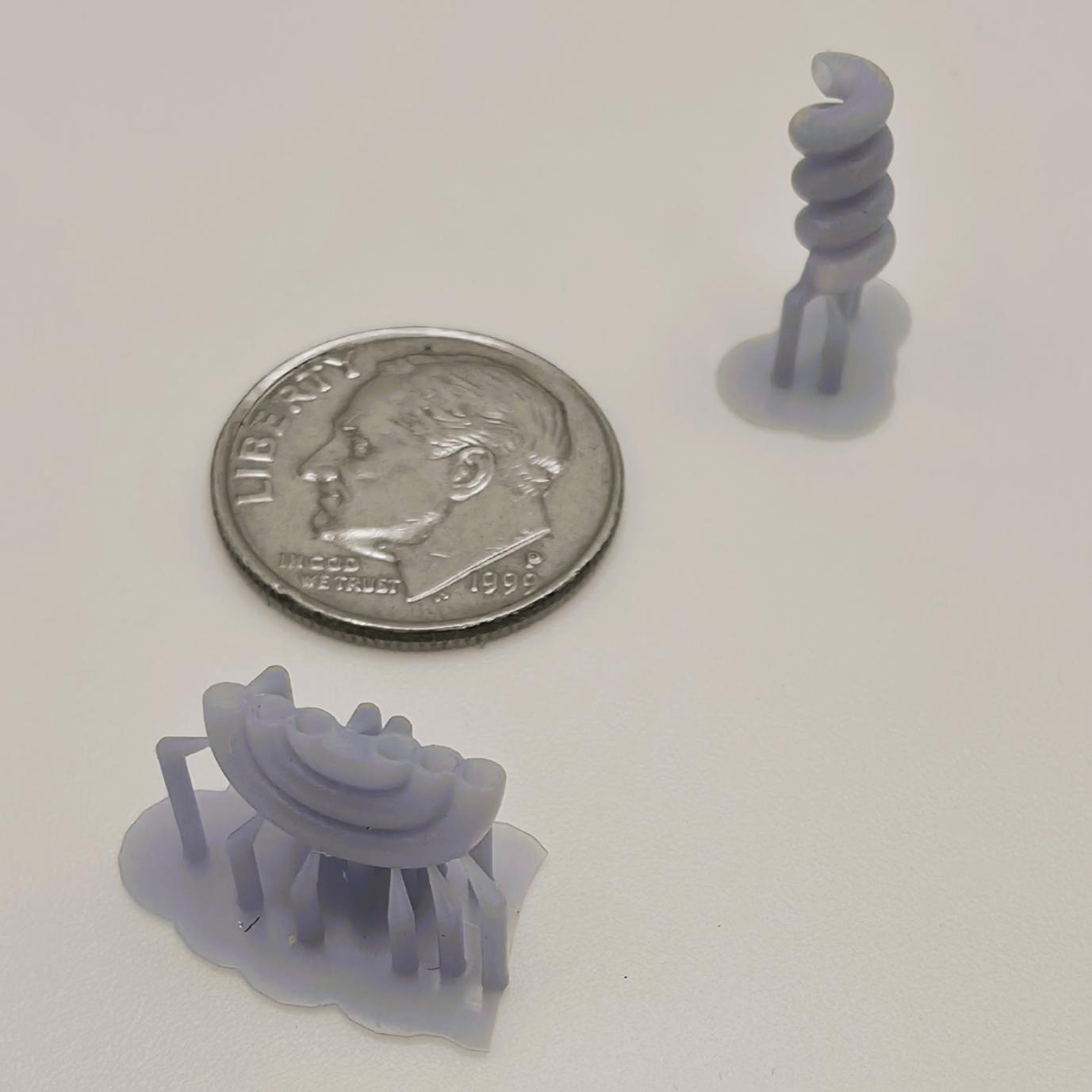
High‑resolution micro‑tubes produced through additive manufacturing, offering uniform geometry, crisp edges, and dependable performance for fluid paths, cable guides, and miniature assemblies.
Phantom
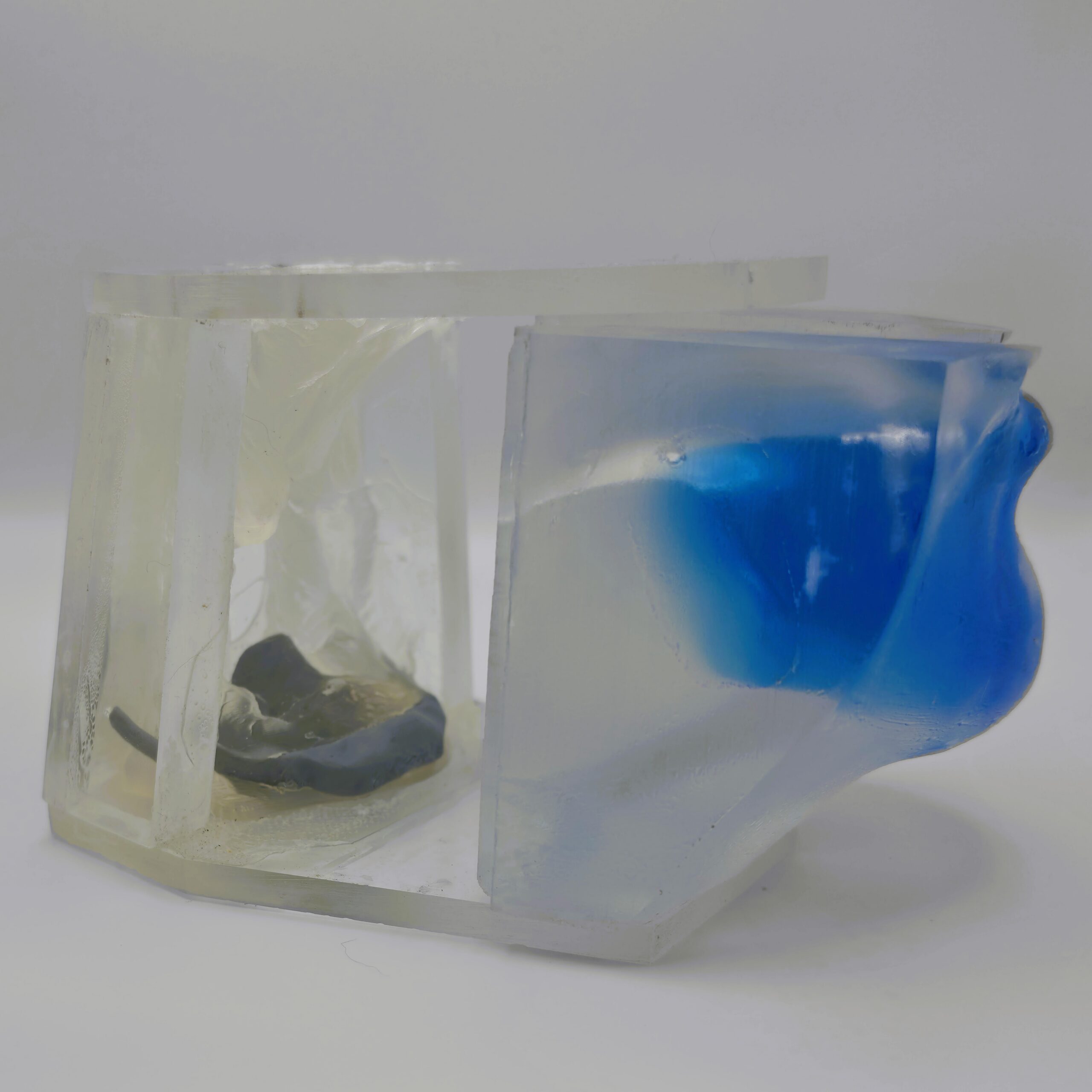
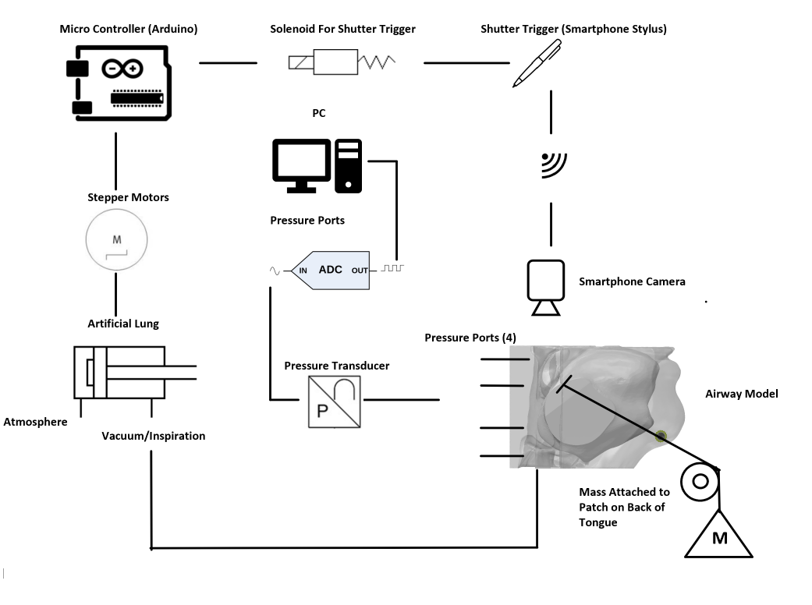
I made this anatomical phantom as part of my masters work at UNLV. The goal was to asses the effectiveness of a novel treatment for sleep apnea and validate force and pressure values computed numerically with computer simulations. The diagram shows the experimental design used to collect this data from the physical model.
This top‑down recording captures the mechanical behavior of the soft palate and posterior pharyngeal wall within a lifelike anatomical phantom. The video demonstrates how the upper airway narrows and collapses under negative pressure, supporting visualization of airflow obstruction dynamics
Repair
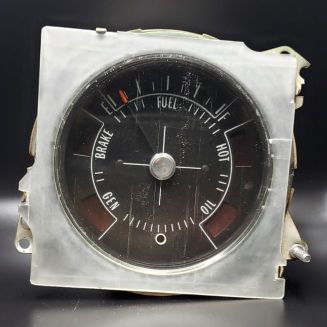
A customer came to me with a broken and cloudy fuel gauge lens from a vintage car which he could not find a replacement for. I was able to recreate the lens with 3D modeling, and then print it in a clear resin using a SLA 3D printer. The outer edges were frosted while the inner lens portion was polished for a clear finish.
Amusement
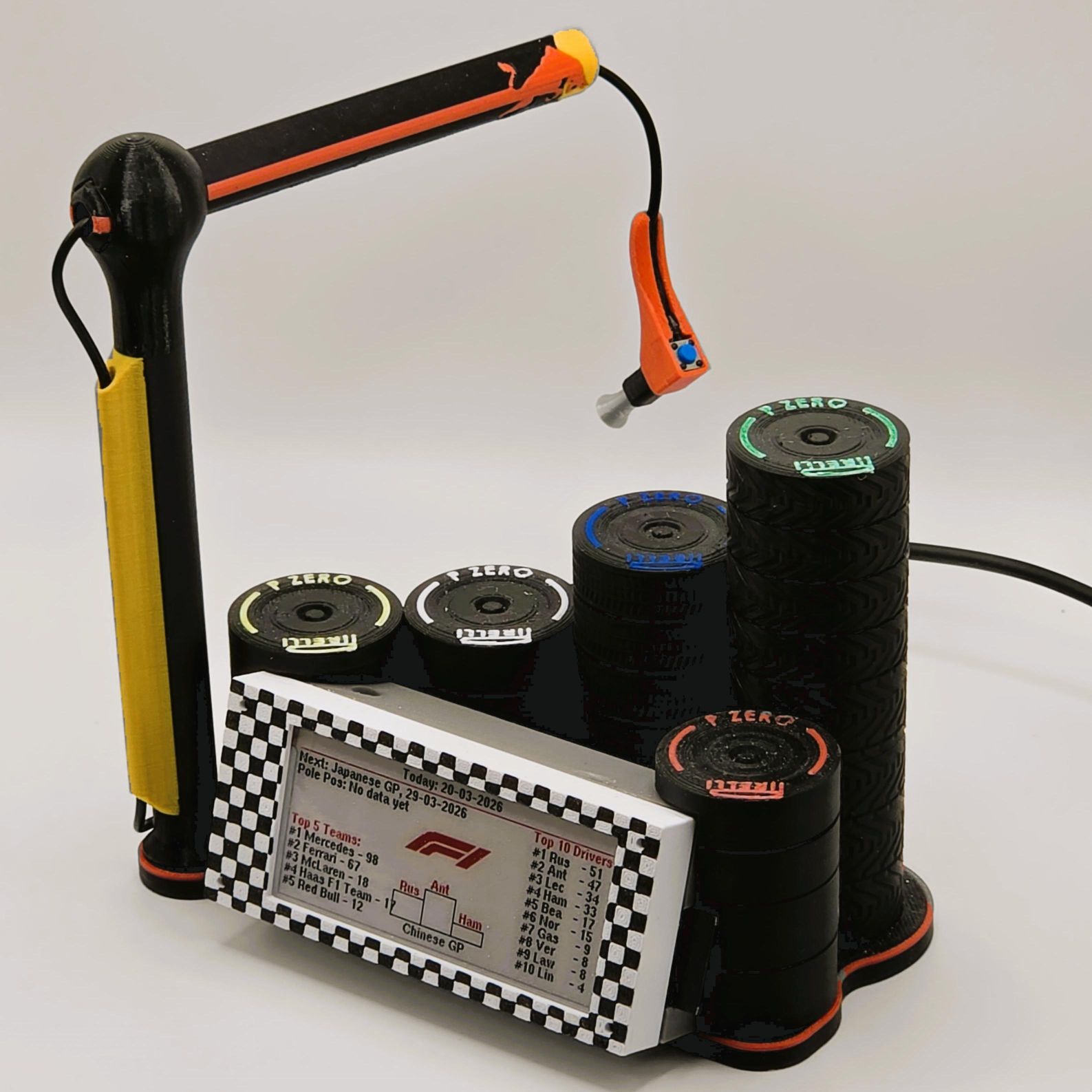
A quick demo of my ESP32‑powered Formula 1 tracker running on an E‑Ink display, styled with a Red Bull pit wall–inspired interface. This project shows live race data on a low‑power e‑paper screen with a clean F1‑themed layout.
Idea for project originated from the original work of mazzur888 as presented on a hackaday.com blog post.
Gituhub repository https://github.com/mazur888/F1-Info-display (Not affiliated with Red Bull Racing of F1).
Automation
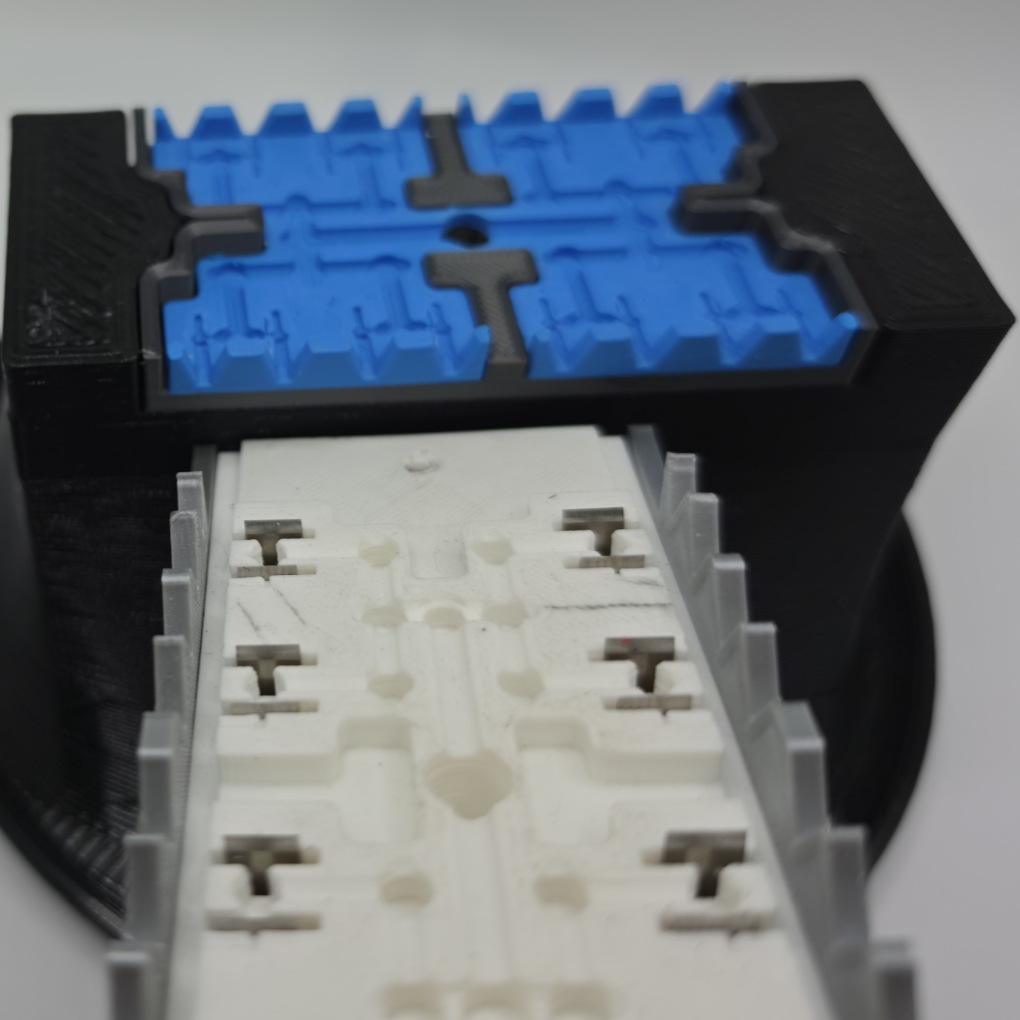
This video shows an early prototype of an automated gate‑trimming machine designed to separate injection‑molded parts from the runner at the gate. The system uses a motor‑driven cam wheel to actuate a cutting die, with an integrated position sensor that tracks the cam’s rotation to ensure consistent timing during each trim cycle. The part tray includes positional sensors that detect when the tray is fully extended for cutting or retracted for part removal, allowing the machine to sequence operations safely and repeatably. A clear vinyl enclosure surrounds the mechanism, protecting the system from dust and debris while also serving as a physical barrier between the moving components and the operator. This prototype was fully functional and operated close to production acceptance levels, though it was not yet fully validated for final manufacturing use. It represents an initial design iteration focused on demonstrating the trimming concept, motion control, and safety features.